




Data structures and algorithms are the foundation of programming, like the “backbone” and the “brain” of all software. A good programmer not only knows how to write code that works correctly, but also knows how to choose appropriate data structures and apply optimized algorithms to save processing time and system resources.
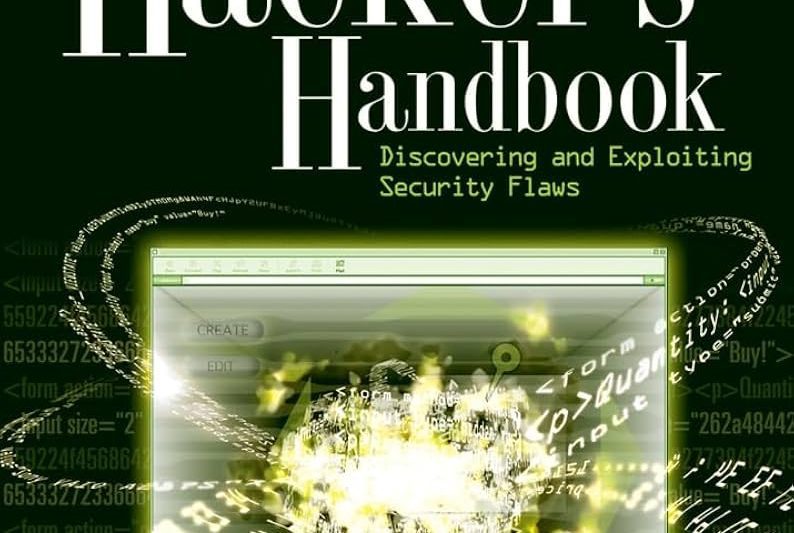
The Web Application Hacker’s Handbook: Discovering and Exploiting Security Flaws
**The Web Application Hacker’s Handbook: Discovering and Exploiting Security Flaws** is one of the most classic and influential works in the field of web application security. The book is widely regarded as a foundational reference for web-focused penetration testing, and it serves as a practical guide for software engineers and security professionals in designing, assessing, and protecting systems.
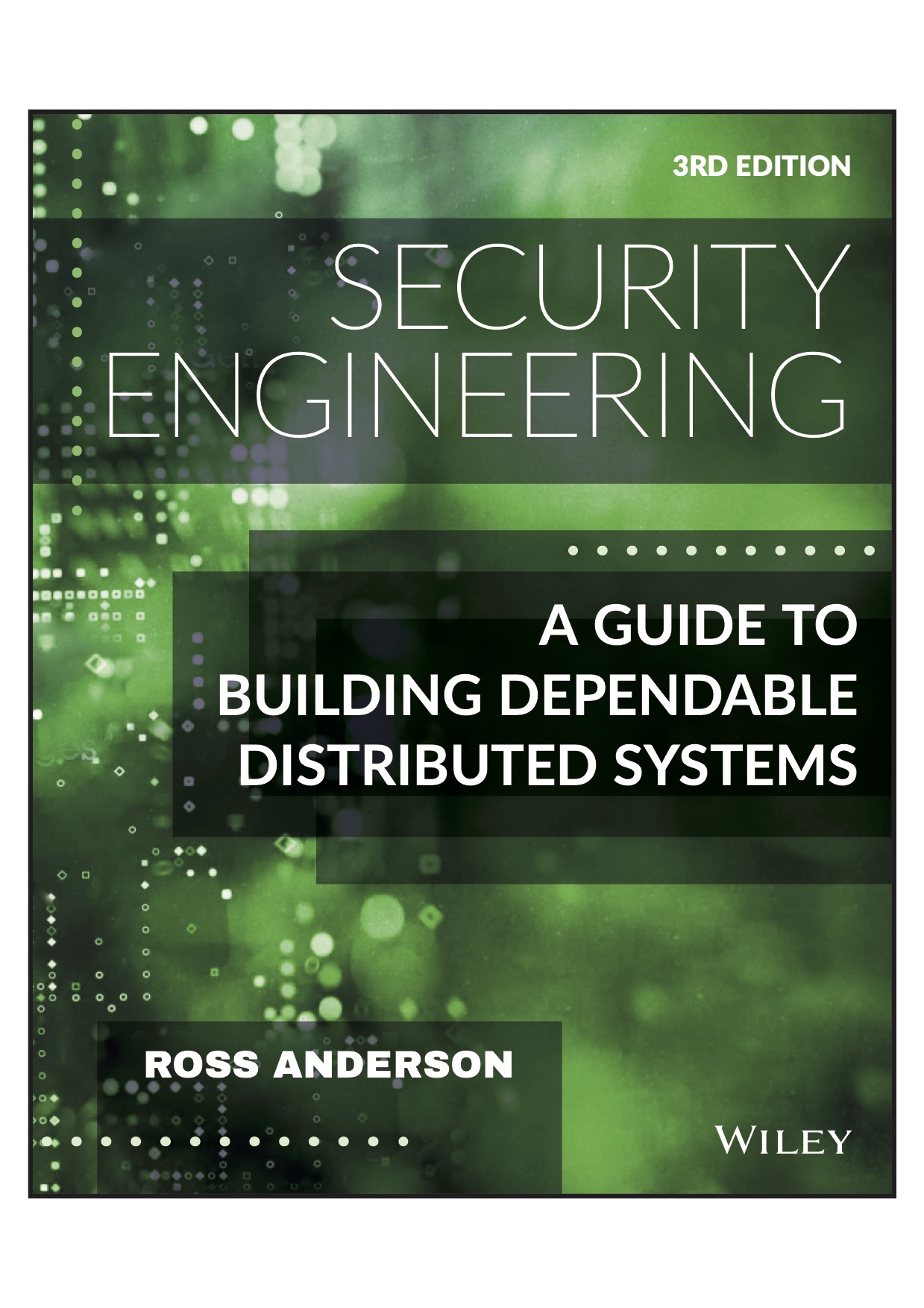
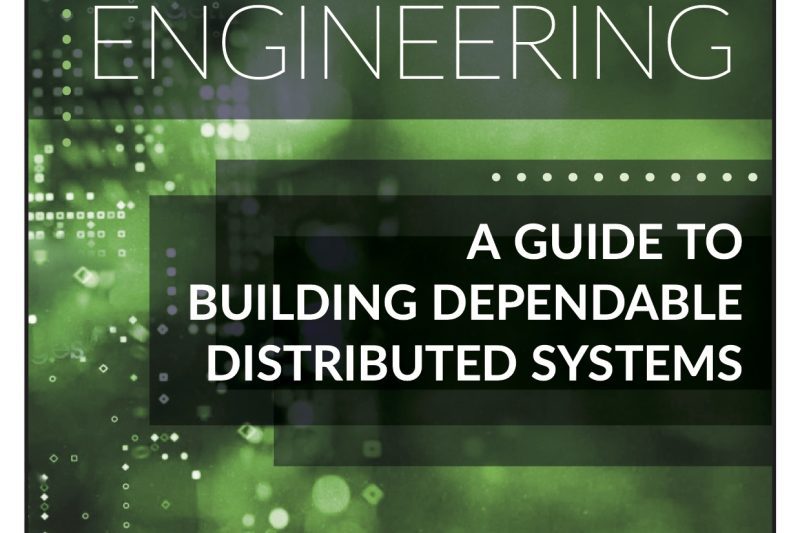
Security Engineering: A Guide to Building Dependable Distributed Systems
Security Engineering: A Guide to Building Dependable Distributed Systems is not merely a book on information security, but a foundational work that shapes the approach to security as a complete systems engineering discipline. By tightly integrating engineering principles, system architecture, human factors, and economic incentives, Ross Anderson demonstrates that security cannot be achieved through isolated or reactive measures, but must be deliberately designed from the outset.
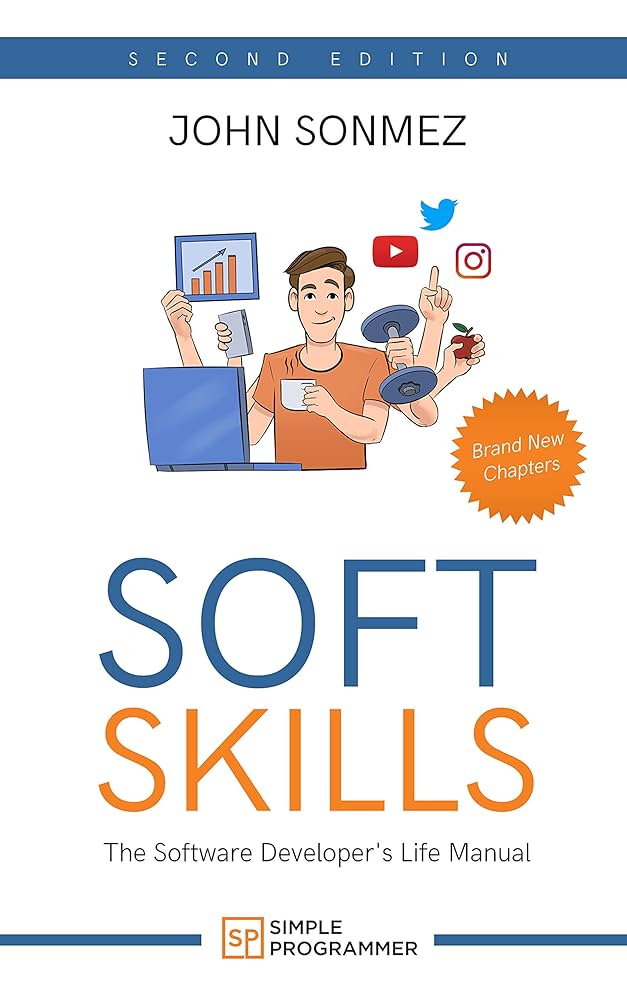
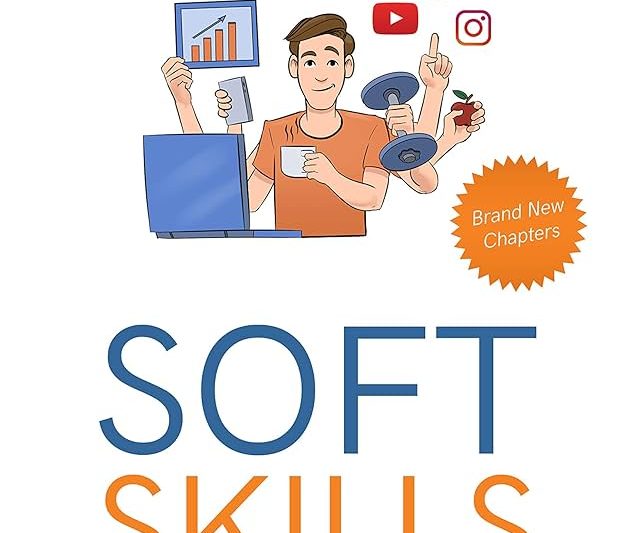
Soft Skills: The Software Developer’s Life Manual
Soft Skills: The Software Developer’s Life Manual is one of the rare books that approaches the programming profession not purely from a technical perspective, but views it as a career closely linked to lifestyle, mindset, and long-term personal development.
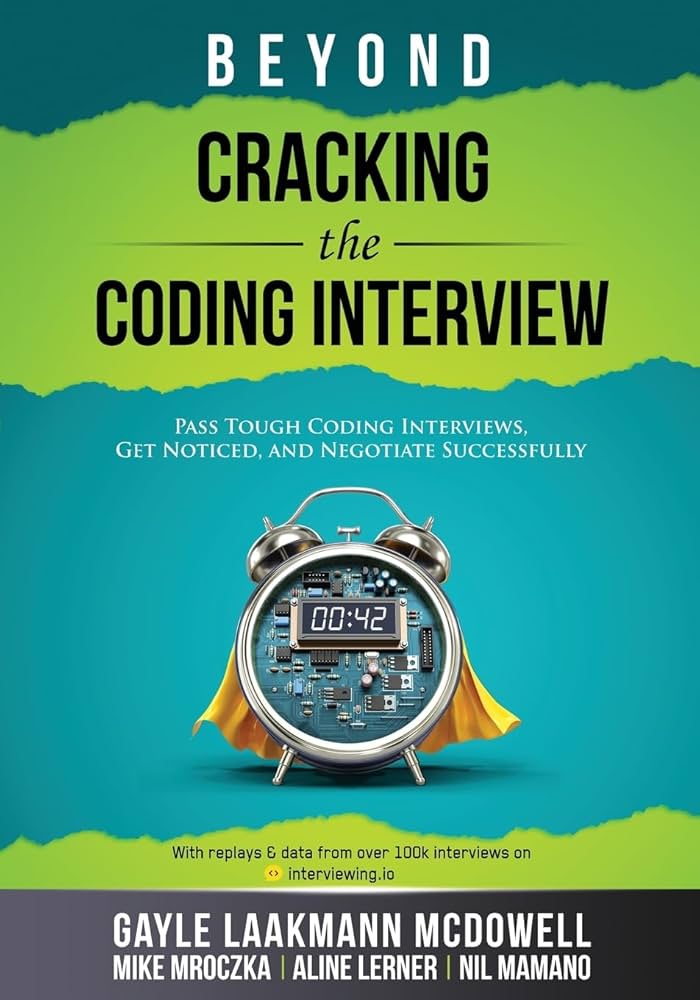
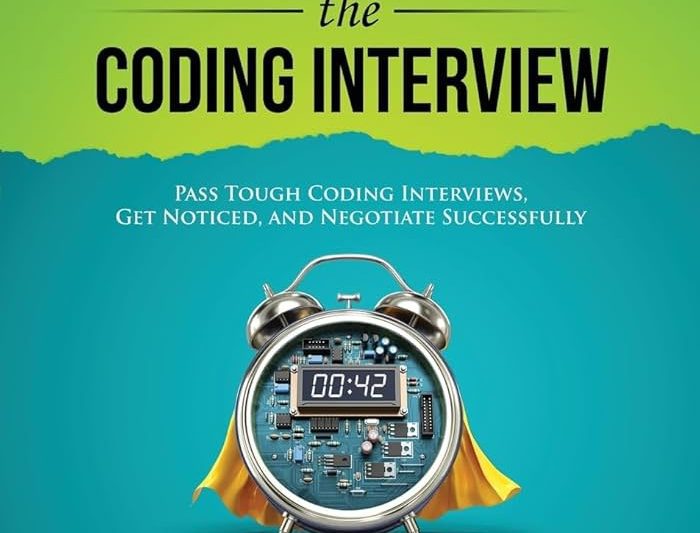
Cracking the Coding Interview: 189 Programming Questions and Solutions
In the world of IT recruitment—where competition for top talent is fierce—thorough preparation for programming interviews … Cracking the Coding Interview: 189 Programming Questions and SolutionsRead more
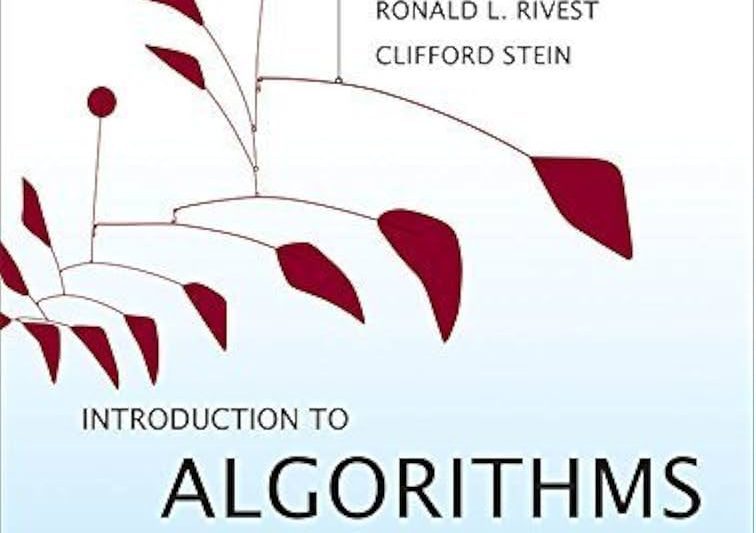
Introduction to Algorithms, 3rd Edition
Among the vast number of resources on algorithms, Introduction to Algorithms (commonly referred to as CLRS, derived from the initials of its four authors) is regarded as a classic and the most influential book in the field.
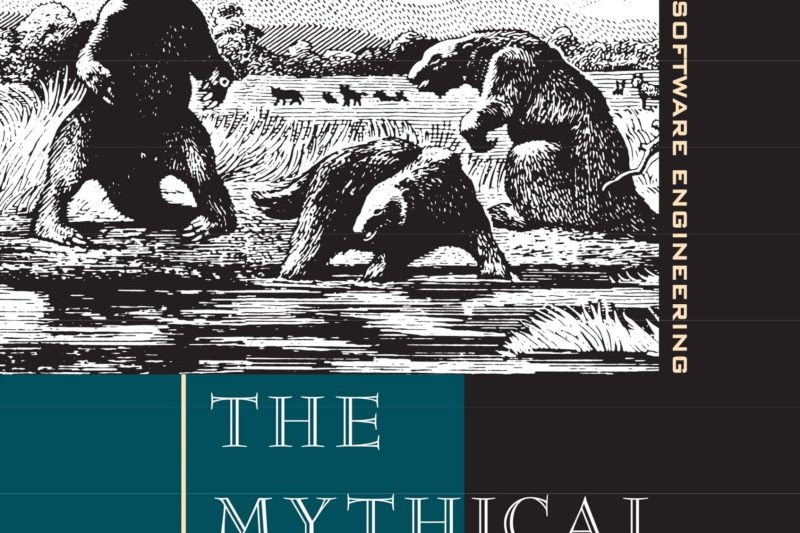
The Mythical Man-month: Essays on Software Engineering
The Mythical Man-Month: Essays on Software Engineering is one of the indispensable classics for anyone interested in software development and project management. The principles presented by Fred Brooks—from Brooks’s Law to the concept of conceptual integrity—have retained their relevance for decades, enduring despite continual technological change.
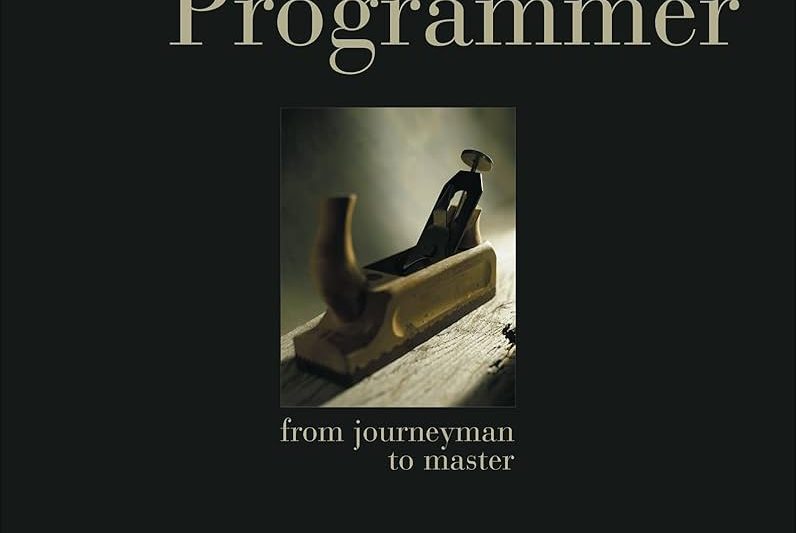
The Pragmatic Programmer: From Journeyman to Master
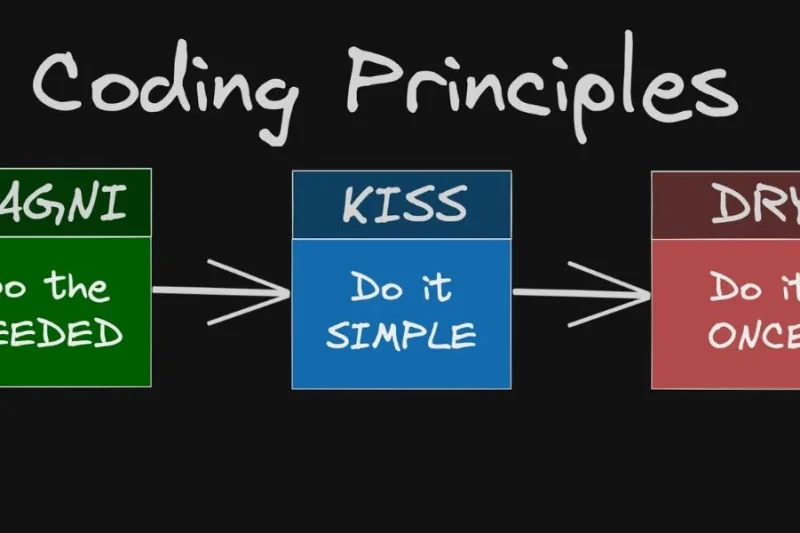
*The Pragmatic Programmer* by Andrew Hunt and David Thomas is not merely a technical book; it is a guide to professional mindset and behavior in software development. From fundamental principles such as DRY to practices like refactoring and automation, the book helps readers gradually build the habits and way of thinking necessary to become an outstanding programmer.
Head First Design Patterns
Head First Design Patterns is not merely a book that lists design patterns; it is a journey that helps readers deeply understand how to think and make decisions throughout the process of object-oriented software design.
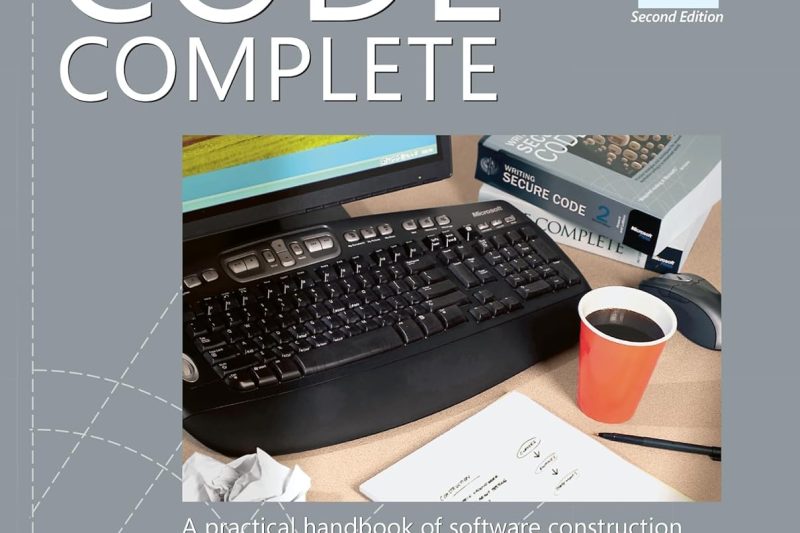
Code Complete: A Practical Handbook of Software Construction
Unlike many programming books that are tightly coupled to a specific technology or language, Code Complete is technically neutral, allowing readers to apply the principles and practices presented in the book to nearly any programming language and software development environment.