
What Is a Proxy? Understanding Its Definition and Practical Applications
A proxy acts as a silent “agent,” enhancing your security, optimizing your online experience, and unlocking access to parts of the Internet that are otherwise restricted.
Open platform for sharing knowledg

A proxy acts as a silent “agent,” enhancing your security, optimizing your online experience, and unlocking access to parts of the Internet that are otherwise restricted.
SSL/TLS is not merely a technical protocol but also the foundation of trust on the Internet. Through it, all information exchanged between users and servers is encrypted, authenticated, and protected against threats such as eavesdropping and impersonation.
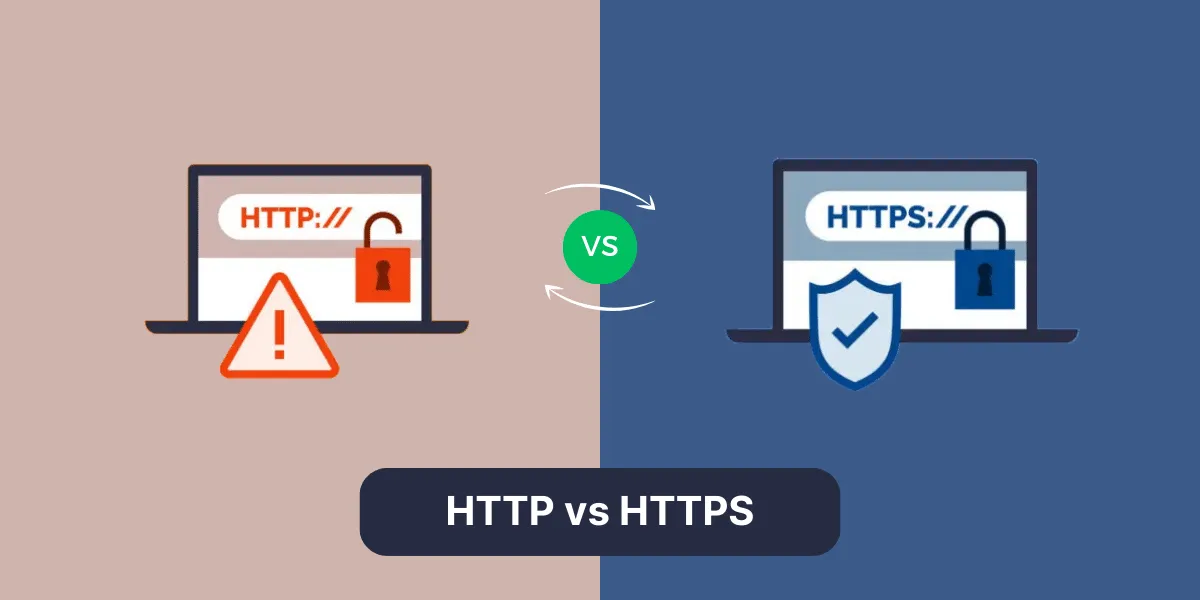
When accessing a website, you often encounter two common protocols: HTTP and HTTPS. But how exactly do they differ? How does HTTP work, what makes HTTPS special, and why has security become such an important factor for websites today?

Phishing is a form of cyberattack that targets people, aiming to deceive users into providing sensitive information such as bank account details, passwords, credit card numbers, or other personal data.
Understanding TCP/IP not only helps us know how data “travels” from one device to another, but also opens up opportunities to explore many other aspects of computer networks, ranging from network programming and network administration to security and performance optimization.
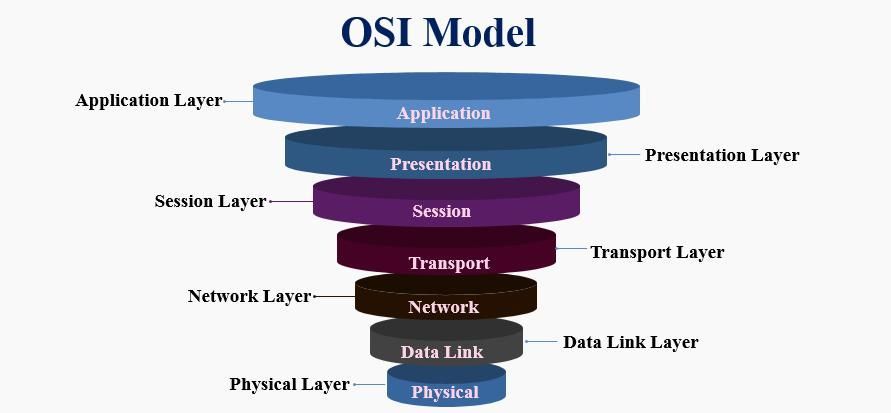
The OSI model is an important conceptual foundation in the field of computer networking. By dividing the communication system into seven independent layers, it helps people better understand how data moves, how protocols interact, and how issues can be diagnosed and resolved at each functional layer.

Computer networks are the foundation of the modern digital world, enabling the connection of devices, people, and services across the globe. From sending emails and accessing websites to conducting banking transactions or playing online games – all of these rely on computer networks. Understanding computer networks not only helps us use technology more effectively, but…
IPv6 is not merely a technical solution for expanding the Internet address space; it is also a foundational pillar for the sustainable evolution of the global network. Understanding and adopting IPv6 enables us to better prepare for the future, optimize network infrastructures, and enhance connectivity efficiency in the modern Internet environment.
IPv4 (Internet Protocol version 4) is the fourth version of the Internet Protocol, used to identify devices and transmit data between devices in computer networks. It operates at the Network Layer of the OSI model and serves as the fundamental foundation that enables devices to “communicate” with one another over the Internet.
In the digital age, almost every day we connect to the Internet – from browsing the web, watching YouTube, and using social media to sending emails or making intercontinental video calls. But have you ever wondered how a laptop at home can communicate with a server located in the United States, or how the phone…
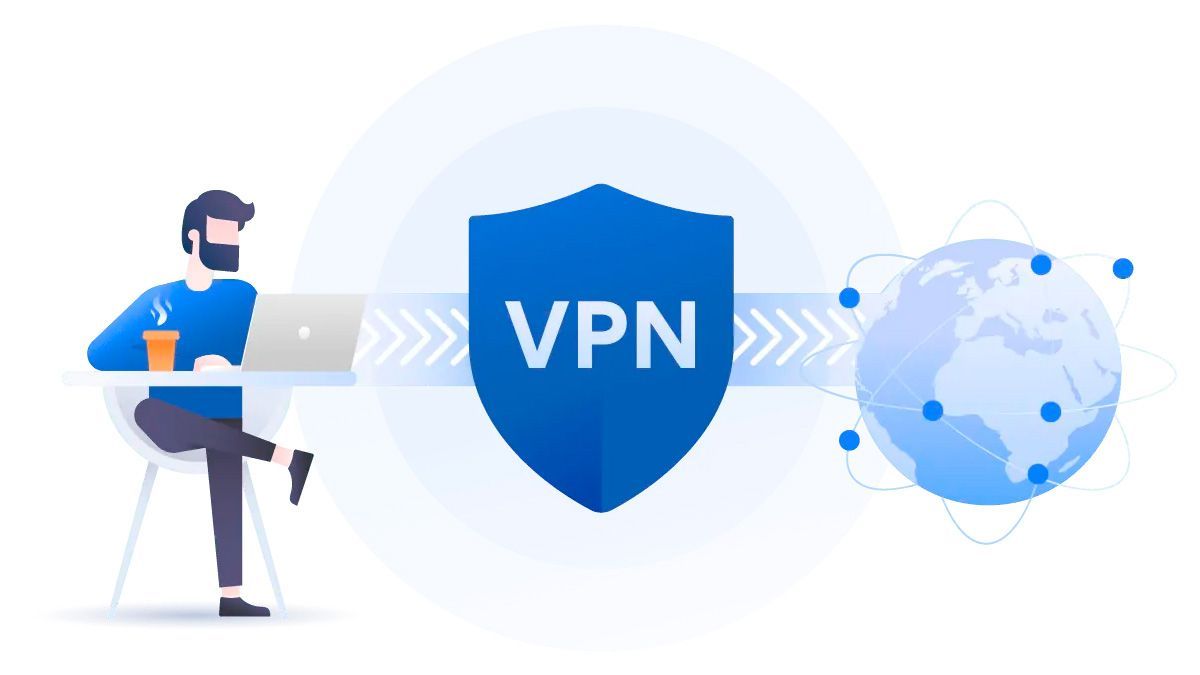
A VPN (Virtual Private Network) was created as a solution that both protects personal information and provides the freedom to access content on the internet. VPN is no longer an unfamiliar concept, but many people still do not fully understand how it works, its benefits, and the risks of using it.