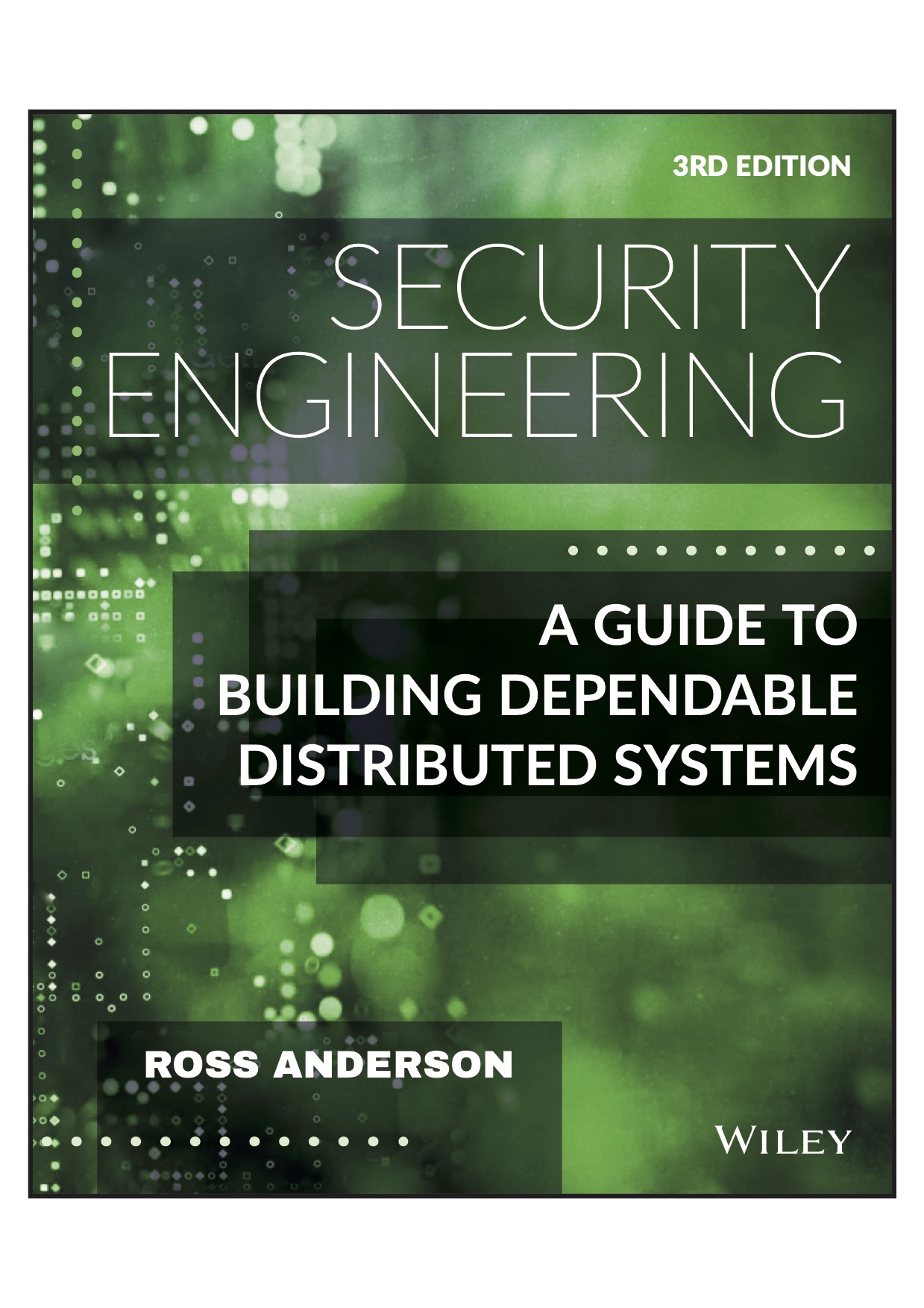
In the world of IT recruitment – where competition for top talent is fierce – thorough preparation for programming interviews is a key factor in a candidate’s success. At leading tech companies like Google, Amazon, Microsoft, and Facebook, “technical interviews” often go beyond testing basic professional knowledge, challenging candidates’ problem-solving, algorithmic thinking, and analytical skills. In this context, one resource has become a “bible” for hundreds of thousands of programmers worldwide: Cracking the Coding Interview. This book not only compiles hundreds of real interview questions but also provides strategies, approaches, and detailed solutions to help readers confidently tackle even the most challenging interview rounds.
1. Basic Information about the Book
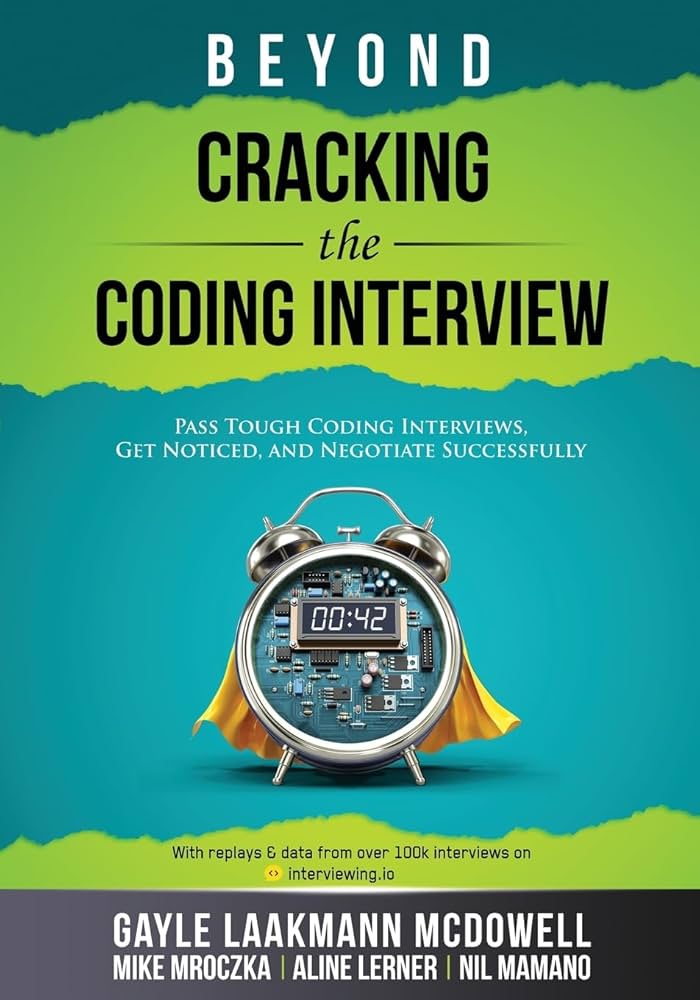
Cracking the Coding Interview: 189 Programming Questions and Solutions is a reference book for those preparing for technical interviews in the IT industry. The author, Gayle Laakmann McDowell, is a software engineer with extensive practical experience in technical hiring processes and the founder of CareerCup – a platform for sharing knowledge and experience on technical interviews.
The main content of the book is written in English, focusing on programming, algorithms, and problem-solving skills. Most solutions are presented in Java, accompanied by specific sample code. It serves as a comprehensive reference for foundational knowledge and common challenges encountered in programming interview rounds.
2. Content Overview
The main goal of Cracking the Coding Interview is to equip readers with the knowledge and techniques needed to succeed in the most challenging software engineering interviews. The book is organized in a logical, easy-to-follow, and practical structure, consisting of two main parts:
2.1 Interview Knowledge and Process
The first part of the book introduces the technical interview process at major tech companies – from preparing your résumé (CV) and understanding the structure of interview rounds to how to ask questions and respond in behavioral interviews. The book explains in detail how employers evaluate candidates’ skills through programming questions, including the most fundamental algorithms and data structures. This section helps readers not only understand the questions but also grasp the underlying logic, enabling them to develop proper problem-solving thinking.
2.2 Question Library and Detailed Solutions
Most of the book consists of a long list of real interview questions (189 in the latest edition), organized by key topics such as:
- Data structures: arrays, strings, linked lists, trees, and graphs
- Basic algorithms: sorting, searching, recursion, and dynamic programming.
- Bit manipulation operations.
- System design and software architecture (included in recent updated editions).
- Logic puzzles, brainteasers, and test problems.
Each question comes with a detailed solution, problem-analysis strategies, algorithm optimization techniques, and sample code in Java. The solutions not only provide the final answer but also guide readers through step-by-step thinking and analysis—an essential skill for real interview situations.
3. Why Should You Read This Book?
Today, there are many interview preparation materials and academic resources on data structures and algorithms, but Cracking the Coding Interview remains prominent for several reasons:
Aligned with real-world interview requirements: Unlike academic books that focus solely on dry theory, this book compiles questions that have actually appeared in interview rounds at major tech companies. This helps readers become familiar with “real-world question types” rather than just learning general theory.
Practices problem-solving strategies: The book not only provides answers but also guides readers on how to approach each type of problem, analyze requirements, and optimize solutions – skills that are extremely important in technical interviews.
Boosts confidence before interviews: Reading and practicing the questions in the book helps candidates become familiar with time pressure and how to articulate their thinking while solving problems. This builds confidence and a more professional demeanor during real interviews.
A standard reference for fundamental topics: Even if you are not preparing for an interview, the book remains a valuable resource for reviewing fundamental knowledge of algorithms and data structures—key concepts that every programmer should master.
4. Who Is This Book For?
Cracking the Coding Interview is not a book for everyone. To get the most value from it, you should belong to one of the following group
Those preparing for technical interviews
This is the primary audience the book targets: those planning to apply for programming, software engineering, or technical positions at tech companies, especially large corporations.
Students and recent graduates: For final-year students or recent IT graduates, this book helps organize knowledge of data structures and algorithms, providing a solid foundation when entering the job market.
Programmers looking to strengthen their algorithmic thinking skills: Even programmers who are already working but want to review their knowledge of algorithms and problem-solving to advance or pivot their careers can benefit from this book.
Those preparing for Big Tech recruitment rounds: If you are aiming for positions at Google, Amazon, Facebook, Microsoft, Apple, or similar companies, this book helps you understand common question types and practice thinking in line with how recruiters evaluate candidates.
However, if you are completely new to programming and haven’t mastered basic data structures and algorithms, you should study foundational materials before starting with this book. It is better suited for those who already have a basic understanding and want to practice for real-world interviews.
5. Conclusion
Cracking the Coding Interview is one of the most important technical interview preparation resources available today for programmers and tech industry candidates. With its extensive content, clear structure, and practical problem-solving strategies, the book not only helps readers prepare more effectively for interview rounds but also reinforces foundational knowledge of algorithms and programming thinking.
Although some opinions suggest that parts of the book’s content have become somewhat outdated compared to modern interview requirements, and that many online resources now offer richer content, Cracking the Coding Interview still holds high reference value – especially when combined with practice on online platforms like LeetCode or NeetCode. Ultimately, the value of any resource depends on how you practice and apply the knowledge in real situations
6. Download and Explore
You can easily download or read this book online on various platforms such as SlideShare, Scribd, Issuu, or Studylib. Each platform supports direct reading, saving for later, and downloading when needed, making it convenient for both computers and mobile devices. Choose the platform that best fits your usage habits to fully experience the book’s content.
- Studylid: https://studylib.net/doc/27956323
- Slideshare (Part 1): https://www.slideshare.net/slideshow/practical-statistics-for-data-scientists-50-essential-concepts-using-r-and-python-part-1/284083302
- Slideshare (Part 2): https://www.slideshare.net/slideshow/practical-statistics-for-data-scientists-50-essential-concepts-using-r-and-python-part-2/284083341
7. Reference
[1] G. L. McDowell, Cracking the Coding Interview: 189 Programming Questions and Solutions, 6th ed. Palo Alto, CA, USA: CareerCup, 2015.
[2] G. L. McDowell, “CareerCup – Technical Interview Preparation,” CareerCup, Inc. [Online]. Available: https://www.careercup.com. [Accessed: Dec. 27, 2025].
[3] “Cracking the Coding Interview – Có thực sự đáng đọc?,” Got It Vietnam. [Online]. Available: https://vn.got-it.ai/blog/cracking-the-coding-interview-co-thuc-su-dang-doc. [Accessed: Dec. 27, 2025].
[4] J. Bentley, Programming Pearls, 2nd ed. Reading, MA, USA: Addison-Wesley, 2000.
[5] T. H. Cormen, C. E. Leiserson, R. L. Rivest, and C. Stein, Introduction to Algorithms, 3rd ed. Cambridge, MA, USA: MIT Press, 2009.
[6] S. Skiena, The Algorithm Design Manual, 2nd ed. London, UK: Springer, 2008.
[7] “Technical Interviewing at Big Tech Companies,” Reddit, r/leetcode. [Online]. Available: https://www.reddit.com/r/leetcode. [Accessed: Dec. 27, 2025].