Software design serves as a critical bridge between conceptual thinking and real-world products – where technical reasoning meets creativity. A well-crafted design not only ensures stable software operation but also enables development teams to easily scale, maintain, and adapt the system to future changes.
Software Engineering
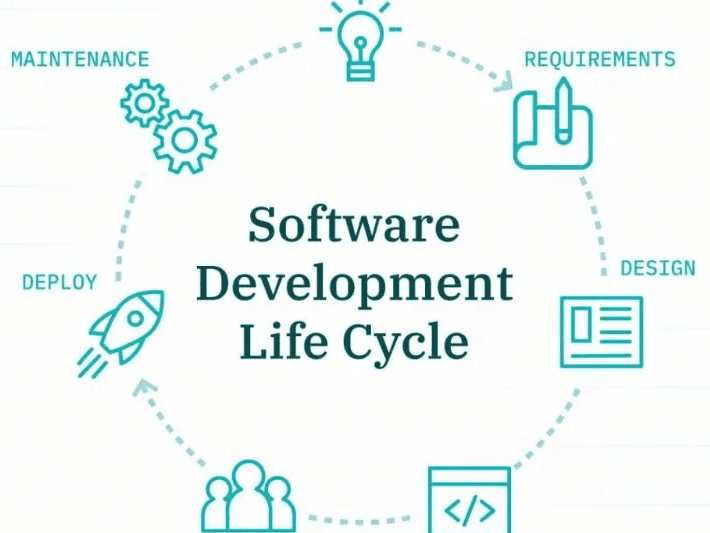
Overview of the Software Development Life Cycle (SDLC): Processes, Models, and Development Trends
The Software Development Life Cycle (SDLC) is not merely a theoretical model, but a foundation that enables development teams to build products in a systematic, controlled, and efficient manner. When applied correctly, SDLC helps minimize risks, improve software quality, and ensure transparency throughout the entire development process.
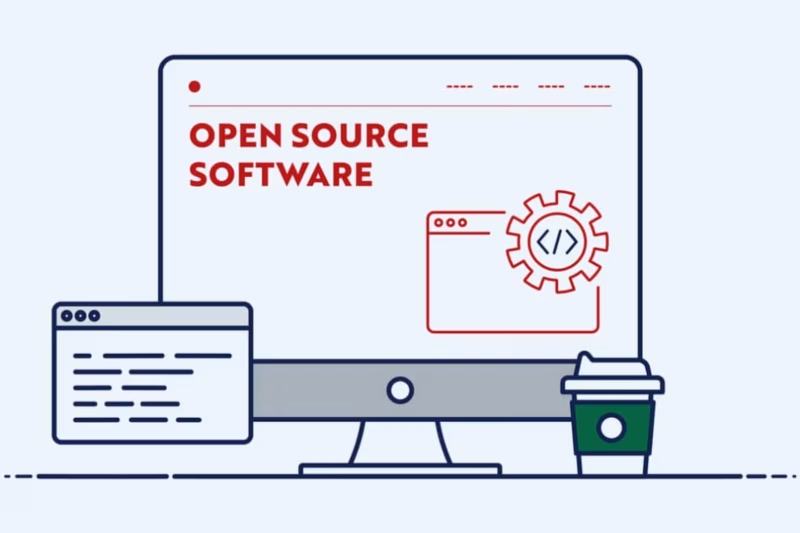
Overview of open source and its role in modern technology.
Open source is not only a technical tool but also a symbol of community spirit and continuous innovation. This article analyzes the development trends, opportunities, and challenges of open source in the future—from its role in artificial intelligence and security to its potential to reshape the way humans build technology.
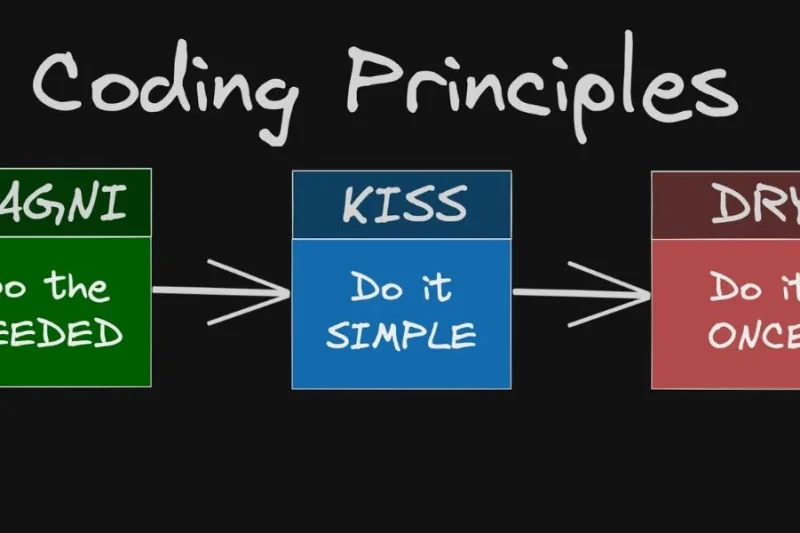
KISS, DRY, YAGNI – 3 Golden Principles in Software Development
KISS, DRY, and YAGNI are commonly referred to as “software design principles” or more specifically as “programming principles” (programming principles / coding principles).
Object-Oriented Programming (OOP): The Core Mindset in Modern Software Development
Object-Oriented Programming (OOP) is a programming approach that has become familiar to many developers. However, OOP … Object-Oriented Programming (OOP): The Core Mindset in Modern Software DevelopmentRead more
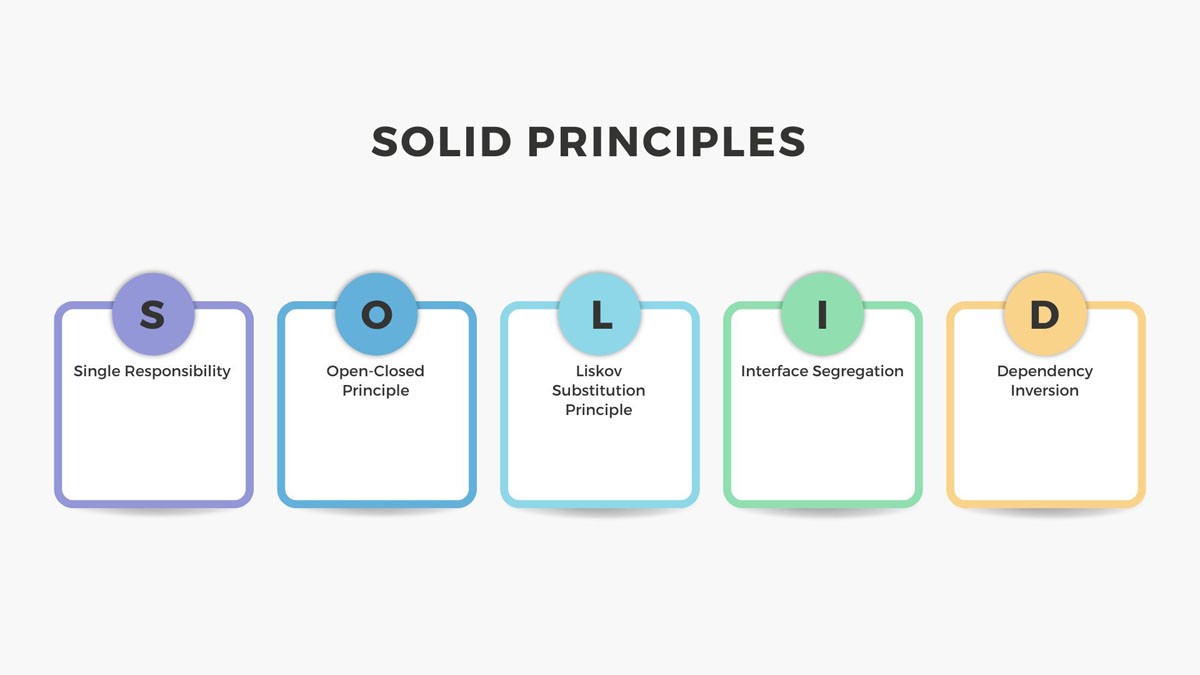
What is SOLID? Principles, how it works, and practical applications
Applying SOLID principles in programming makes the code easier to maintain, extend, and reduces errors. Not only does it ensure clarity, but SOLID also serves as the foundation for building clean code, supporting effective teamwork, and improving software quality.