Virus máy tính là những đoạn mã độc có khả năng tự nhân bản và lây lan từ máy tính này sang máy tính khác, đôi khi âm thầm xâm nhập vào hệ thống mà người dùng không hề hay biết. Chúng có thể gây ra nhiều hậu quả nghiêm trọng: từ mất dữ liệu cá nhân, làm gián đoạn công việc, đến phá hỏng hệ thống mạng và gây thiệt hại tài chính cho doanh nghiệp.
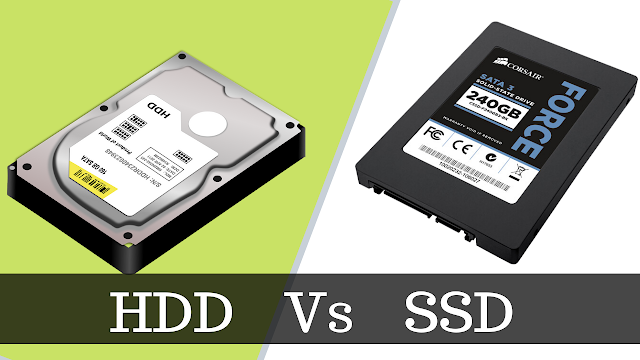
SSD vs HDD: Comparison, Advantages and Disadvantages, and How to Choose the Right Storage Drive
A storage device is a core component of a computer, responsible for storing all data, from the operating system and software to personal documents, images, videos, and other important files. It can be understood that if a computer is the “brain,” then the storage drive functions as its “memory,” allowing information to be stored securely and accessed quickly whenever needed.
SSD vs HDD: So sánh, ưu nhược điểm và cách chọn ổ cứng phù hợp
Ổ cứng (Storage Device) là thành phần cốt lõi của máy tính, chịu trách nhiệm lưu trữ toàn bộ dữ liệu, từ hệ điều hành, phần mềm, tài liệu cá nhân, hình ảnh, video cho đến các tệp tin quan trọng khác. Có thể hình dung nếu máy tính là “bộ não”, thì ổ cứng chính là “trí nhớ”, giúp mọi thông tin được lưu trữ an toàn và truy xuất nhanh chóng khi cần thiết.
Understanding Computer Networks: Basic Knowledge, Security, and Future Trends
Computer networks are the foundation of the modern digital world, enabling the connection of devices, people, … Understanding Computer Networks: Basic Knowledge, Security, and Future TrendsRead more
Tìm hiểu mạng máy tính: Kiến thức cơ bản, bảo mật và xu hướng tương lai
Mạng máy tính là nền tảng của thế giới số hiện đại, giúp kết nối mọi … Tìm hiểu mạng máy tính: Kiến thức cơ bản, bảo mật và xu hướng tương laiRead more
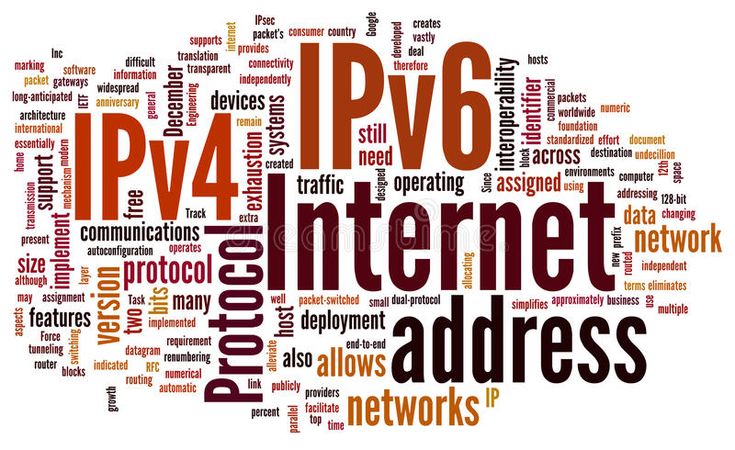
What Is IPv6? A Detailed Overview of IPv6 Structure, Advantages, and Deployment
IPv6 is not merely a technical solution for expanding the Internet address space; it is also a foundational pillar for the sustainable evolution of the global network. Understanding and adopting IPv6 enables us to better prepare for the future, optimize network infrastructures, and enhance connectivity efficiency in the modern Internet environment.
IPv6 là gì? Tìm hiểu chi tiết về cấu trúc, ưu điểm và triển khai IPv6
IPv6 không chỉ là một giải pháp kỹ thuật để mở rộng không gian địa chỉ Internet, mà còn là nền tảng cho sự phát triển bền vững của mạng toàn cầu. Việc hiểu và áp dụng IPv6 sẽ giúp chúng ta chuẩn bị tốt cho tương lai, tối ưu hóa mạng lưới và nâng cao hiệu quả kết nối trong môi trường Internet hiện đại.
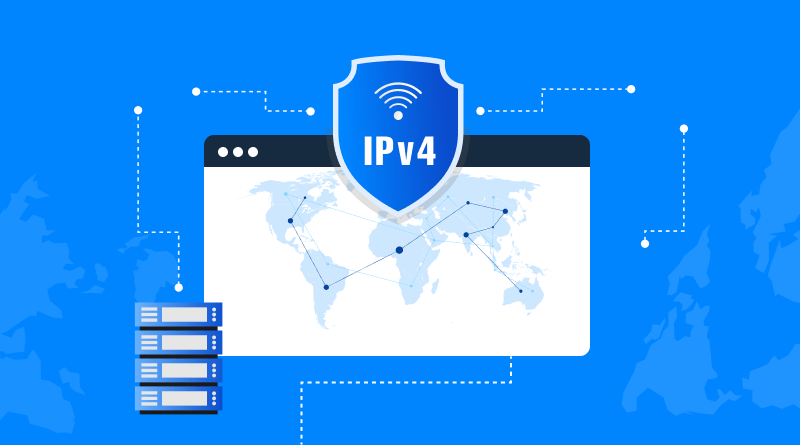
What Is IPv4? Structure, Operation, and Limitations of the Most Widely Used Internet Protocol Today
IPv4 (Internet Protocol version 4) is the fourth version of the Internet Protocol, used to identify devices and transmit data between devices in computer networks. It operates at the Network Layer of the OSI model and serves as the fundamental foundation that enables devices to “communicate” with one another over the Internet.
IPv4 là gì? Cấu trúc, hoạt động và giới hạn của giao thức Internet phổ biến nhất hiện nay
Pv4 (Internet Protocol version 4) là phiên bản thứ tư của giao thức Internet, được sử dụng để định danh và truyền dữ liệu giữa các thiết bị trong mạng máy tính. Nó hoạt động ở tầng mạng (Network Layer) của mô hình OSI và là nền tảng giúp các thiết bị có thể “nói chuyện” được với nhau qua Internet.
What Is a Firewall? Understanding Its Principles, Types, and Applications in Network Security
A firewall is one of the most fundamental pillars of modern cybersecurity, enabling access control, network segmentation, and the logging of activities for monitoring and incident investigation purposes. However, a firewall alone is not a comprehensive shield capable of protecting an entire system.