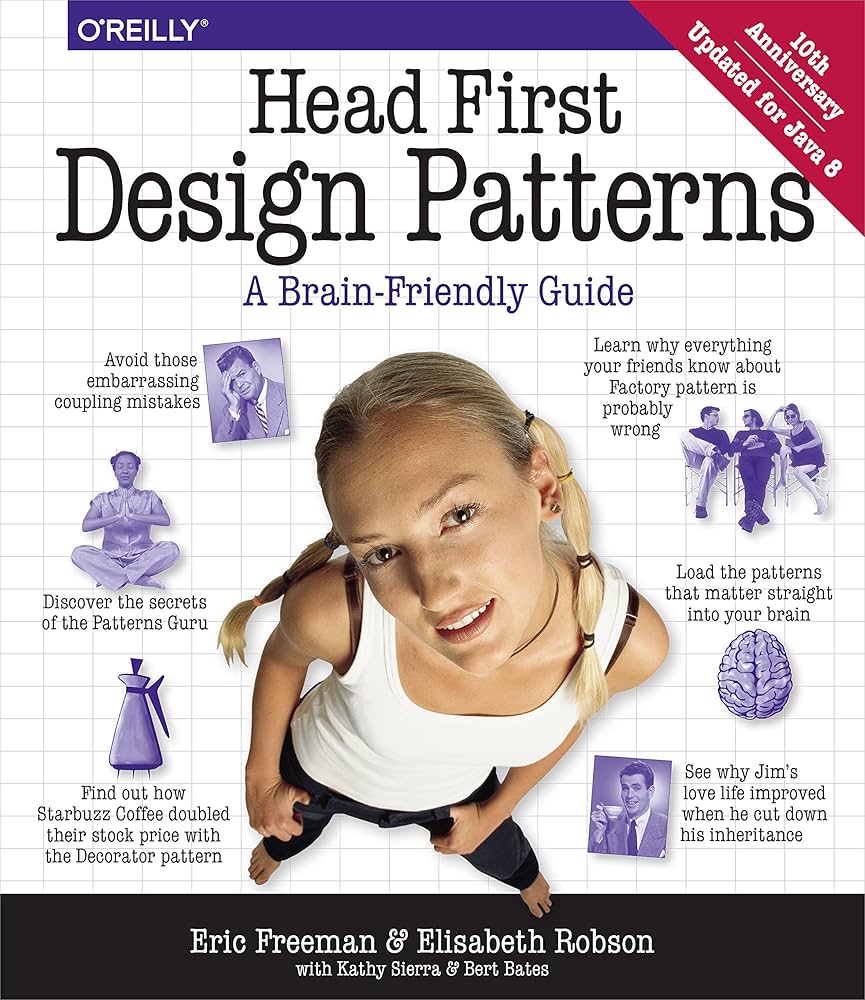
Trong lĩnh vực phát triển phần mềm, việc viết ra những đoạn mã “chạy được” chưa bao giờ là mục tiêu cuối cùng. Khi một hệ thống ngày càng mở rộng, số lượng tính năng tăng lên và nhiều lập trình viên cùng tham gia phát triển, bài toán lớn nhất không còn nằm ở cú pháp hay ngôn ngữ lập trình, mà ở cách tổ chức và thiết kế mã nguồn. Một hệ thống được thiết kế kém sẽ nhanh chóng trở nên khó bảo trì, khó mở rộng và tiềm ẩn nhiều rủi ro trong quá trình phát triển lâu dài.
Design Patterns ra đời như một tập hợp các giải pháp đã được kiểm chứng nhằm giải quyết những vấn đề thiết kế phổ biến trong lập trình hướng đối tượng. Tuy nhiên, trên thực tế, không ít lập trình viên gặp khó khăn khi tiếp cận chủ đề này do phần lớn tài liệu và sách tham khảo thường mang tính học thuật cao, nhiều khái niệm trừu tượng và ít ví dụ gắn với tình huống thực tế.
Head First Design Patterns của Eric Freeman & Elisabeth Robson là một trong số ít những cuốn sách tiếp cận Design Patterns theo hướng hoàn toàn khác. Thay vì tập trung vào định nghĩa khô khan, cuốn sách giúp người đọc hiểu rõ bản chất của từng mẫu thiết kế thông qua các ví dụ trực quan, dễ tiếp thu và mang tính ứng dụng cao. Nhờ đó, Design Patterns không còn là những khái niệm khó tiếp cận, mà trở thành công cụ thiết thực giúp lập trình viên cải thiện chất lượng thiết kế phần mềm.
Với hơn một thập kỷ kể từ lần xuất bản đầu tiên và nhiều lần cập nhật nội dung, Head First Design Patterns đã trở thành tài liệu kinh điển đối với cộng đồng lập trình viên trên toàn thế giới, đặc biệt là những người muốn xây dựng nền tảng vững chắc về tư duy thiết kế và kiến trúc phần mềm.
1. Thông tin cơ bản về cuốn sách
- Tên sách: Head First Design Patterns
- Tác giả: Eric Freeman & Elisabeth Robson
- Nhà xuất bản: O’Reilly Media
- Lần xuất bản nổi bật: 10th Anniversary Edition (cập nhật cho Java 8)
- Ngôn ngữ chính: Tiếng Anh
- Chủ đề: Design Patterns, Object-Oriented Design, Software Architecture
Head First Design Patterns là một trong những đầu sách nổi bật nhất về thiết kế phần mềm thuộc series Head First của nhà xuất bản O’Reilly. Cuốn sách được chấp bút bởi Eric Freeman và Elisabeth Robson – hai tác giả có nhiều năm kinh nghiệm trong lĩnh vực phát triển phần mềm và đào tạo kỹ thuật. Các tác phẩm của họ luôn được đánh giá cao nhờ khả năng truyền đạt những khái niệm phức tạp theo cách dễ hiểu và gần gũi với người học.
Điểm đặc trưng của series Head First nói chung và Head First Design Patterns nói riêng nằm ở phong cách trình bày trực quan, sinh động và thân thiện với não bộ người đọc. Thay vì chỉ tập trung vào lý thuyết khô khan, sách kết hợp hình ảnh minh họa, ví dụ thực tế, hội thoại và sơ đồ để giúp người đọc hiểu sâu bản chất của vấn đề, đồng thời ghi nhớ kiến thức lâu hơn.
Mặc dù các ví dụ minh họa trong sách chủ yếu được xây dựng bằng Java và phiên bản kỷ niệm 10 năm có cập nhật cho Java 8, nhưng nội dung cốt lõi của cuốn sách không phụ thuộc vào ngôn ngữ lập trình cụ thể. Các nguyên lý thiết kế và mẫu design patterns được trình bày mang tính phổ quát, hoàn toàn có thể áp dụng cho các ngôn ngữ hướng đối tượng khác như C#, Python, JavaScript, PHP hay nhiều nền tảng phát triển phần mềm hiện đại.
2. Tóm tắt sơ lược nội dung
Head First Design Patterns không đơn thuần là một cuốn sách liệt kê các mẫu thiết kế, mà là một hành trình giúp người đọc hiểu rõ cách tư duy và ra quyết định trong quá trình thiết kế phần mềm hướng đối tượng. Nội dung sách được xây dựng xoay quanh những vấn đề thường xuyên xuất hiện trong thực tế phát triển phần mềm, từ đó dẫn dắt người đọc tiếp cận các design patterns như những giải pháp đã được kiểm chứng qua thời gian.
Cuốn sách mở đầu bằng việc đặt ra những câu hỏi rất quen thuộc đối với lập trình viên: vì sao một hệ thống ban đầu hoạt động tốt nhưng dần trở nên khó bảo trì, vì sao việc thêm một tính năng mới lại kéo theo hàng loạt thay đổi không mong muốn, và vì sao những đoạn code tưởng chừng đơn giản lại nhanh chóng trở nên phức tạp khi quy mô dự án tăng lên. Thông qua các ví dụ cụ thể, tác giả chỉ ra rằng nguyên nhân cốt lõi không nằm ở ngôn ngữ lập trình, mà ở cách thiết kế và tổ chức mã nguồn.
Từ đó, từng design pattern được giới thiệu theo một cấu trúc nhất quán và dễ theo dõi. Mỗi chương thường bắt đầu bằng một tình huống thực tế, mô tả cách tiếp cận ban đầu mà nhiều lập trình viên thường áp dụng. Cách tiếp cận này tuy có thể giải quyết được bài toán trước mắt nhưng lại bộc lộ nhiều hạn chế về tính linh hoạt, khả năng mở rộng và mức độ phụ thuộc giữa các thành phần trong hệ thống. Sau khi phân tích rõ những vấn đề này, cuốn sách mới giới thiệu design pattern phù hợp như một giải pháp tối ưu hơn.
Một điểm nổi bật trong nội dung của Head First Design Patterns là việc không trình bày pattern một cách máy móc. Thay vì đưa ra định nghĩa và sơ đồ UML ngay từ đầu, tác giả dẫn dắt người đọc từng bước đi đến bản chất của pattern, giúp họ hiểu được vì sao pattern đó tồn tại và nó giải quyết vấn đề gì. Các khái niệm như Strategy Pattern, Observer Pattern, Decorator Pattern, Factory Pattern hay Singleton Pattern đều được đặt trong những bối cảnh quen thuộc, giúp người đọc dễ dàng liên hệ với công việc lập trình hàng ngày.
Song song với việc giới thiệu các design patterns cụ thể, cuốn sách đặc biệt nhấn mạnh vào những nguyên lý thiết kế cốt lõi của lập trình hướng đối tượng. Các nguyên lý như tách biệt những phần dễ thay đổi, lập trình hướng interface thay vì triển khai cụ thể, hay ưu tiên composition hơn là inheritance được lặp lại xuyên suốt nội dung sách. Điều này giúp người đọc không chỉ học cách sử dụng từng pattern riêng lẻ, mà còn hình thành được tư duy tổng thể trong việc thiết kế hệ thống phần mềm.
Ngoài ra, Head First Design Patterns cũng dành sự chú ý đáng kể đến việc chỉ ra khi nào không nên sử dụng design patterns. Tác giả nhiều lần nhấn mạnh rằng pattern không phải là mục tiêu, mà chỉ là công cụ. Việc lạm dụng hoặc áp dụng pattern không đúng ngữ cảnh có thể khiến hệ thống trở nên phức tạp hơn mức cần thiết. Cách tiếp cận cân bằng này giúp người đọc tránh được sai lầm phổ biến khi mới tiếp cận với design patterns.
Xuyên suốt cuốn sách, các ví dụ và bài tập thực hành được thiết kế để khuyến khích người đọc chủ động suy nghĩ và phân tích vấn đề, thay vì chỉ tiếp nhận kiến thức một chiều. Nhờ đó, Head First Design Patterns không chỉ cung cấp kiến thức nền tảng về các mẫu thiết kế, mà còn giúp người đọc rèn luyện khả năng đánh giá và lựa chọn giải pháp thiết kế phù hợp trong những tình huống khác nhau.
3. Vì sao bạn nên đọc cuốn sách này?
Head First Design Patterns mang lại giá trị lớn nhất ở việc giúp lập trình viên thay đổi tư duy về thiết kế phần mềm, thay vì chỉ học cách áp dụng các mẫu thiết kế một cách máy móc. Cuốn sách tập trung làm rõ bản chất của từng vấn đề thiết kế, từ đó giúp người đọc hiểu vì sao design patterns ra đời và khi nào chúng thực sự cần thiết. Cách tiếp cận này giúp lập trình viên đưa ra quyết định thiết kế hợp lý hơn trong các dự án thực tế.
Một điểm đáng chú ý khác là khả năng truyền đạt kiến thức phức tạp theo cách dễ tiếp cận. So với nhiều tài liệu design patterns mang tính học thuật cao, Head First Design Patterns sử dụng ngôn ngữ rõ ràng, ví dụ trực quan và tình huống quen thuộc, giúp người đọc tiếp thu kiến thức một cách tự nhiên mà vẫn đảm bảo chiều sâu chuyên môn.
Bên cạnh yếu tố dễ hiểu, cuốn sách còn có tính ứng dụng cao trong công việc phát triển phần mềm. Các vấn đề được phân tích trong sách phản ánh đúng những khó khăn mà lập trình viên thường gặp khi xây dựng và mở rộng hệ thống, đặc biệt là trong các dự án có quy mô trung bình đến lớn. Nhờ đó, kiến thức thu được không chỉ dừng lại ở lý thuyết mà có thể áp dụng trực tiếp vào thực tế.
Ngoài ra, Head First Design Patterns giúp người đọc nhận thức rõ hơn về mối liên hệ giữa thiết kế phần mềm và chất lượng mã nguồn trong dài hạn. Cuốn sách nhấn mạnh vai trò của khả năng bảo trì, mở rộng và giảm sự phụ thuộc giữa các thành phần trong hệ thống, những yếu tố có ảnh hưởng trực tiếp đến hiệu quả phát triển và làm việc nhóm. Đồng thời, tác giả cũng chỉ ra rằng design patterns không phải lúc nào cũng cần thiết, từ đó giúp người đọc tránh được việc lạm dụng chúng một cách không phù hợp.
4. Cuốn sách này dành cho ai?
Head First Design Patterns phù hợp trước hết với những lập trình viên đã có kiến thức cơ bản về lập trình hướng đối tượng và mong muốn nâng cao chất lượng thiết kế phần mềm. Đối với sinh viên công nghệ thông tin hoặc những người mới đi làm, cuốn sách đóng vai trò như một cầu nối quan trọng giữa việc học cú pháp ngôn ngữ và tư duy thiết kế hệ thống ở mức độ cao hơn.
Cuốn sách cũng đặc biệt hữu ích đối với các lập trình viên junior và mid-level đang làm việc trong các dự án thực tế. Khi quy mô hệ thống ngày càng mở rộng, những vấn đề liên quan đến bảo trì, mở rộng và quản lý sự phụ thuộc giữa các thành phần trở nên rõ ràng hơn. Head First Design Patterns giúp nhóm đối tượng này hiểu và áp dụng các mẫu thiết kế phổ biến để cải thiện cấu trúc mã nguồn, từ đó nâng cao hiệu quả làm việc và chất lượng sản phẩm.
Ngoài ra, những lập trình viên có mục tiêu phát triển lâu dài trong ngành, đặc biệt là những người chuẩn bị cho các buổi phỏng vấn kỹ thuật hoặc định hướng trở thành kỹ sư phần mềm trung cấp và cao cấp, cũng sẽ tìm thấy nhiều giá trị từ cuốn sách. Việc nắm vững design patterns giúp họ không chỉ trả lời tốt các câu hỏi chuyên môn, mà còn thể hiện được tư duy thiết kế và khả năng phân tích vấn đề một cách hệ thống.
Tuy nhiên, Head First Design Patterns không phải là lựa chọn phù hợp cho những người chưa có nền tảng lập trình cơ bản hoặc chỉ quan tâm đến việc học cú pháp của một ngôn ngữ cụ thể. Cuốn sách tập trung vào tư duy và nguyên lý thiết kế, do đó người đọc cần có hiểu biết nhất định về lập trình hướng đối tượng để có thể tiếp thu nội dung một cách hiệu quả.
5. Tải xuống, trải nghiệm
Bạn có thể dễ dàng tải xuống hoặc đọc trực tuyến cuốn sách này trên nhiều nền tảng khác nhau như SlideShare, Scribd, Issuu hay Studylid. Mỗi nền tảng đều hỗ trợ đọc trực tiếp, lưu lại để xem sau và tải về khi cần, rất tiện cho cả máy tính lẫn điện thoại. Hãy chọn nơi phù hợp nhất với thói quen sử dụng của bạn để trải nghiệm trọn vẹn nội dung cuốn sách.
- Studylid: https://studylib.net/doc/27956323
- Slideshare (Part 1): https://www.slideshare.net/slideshow/practical-statistics-for-data-scientists-50-essential-concepts-using-r-and-python-part-1/284083302
- Slideshare (Part 2): https://www.slideshare.net/slideshow/practical-statistics-for-data-scientists-50-essential-concepts-using-r-and-python-part-2/284083341
6. Tài liệu tham khảo
[1] E. Freeman, E. Robson, B. Bates and K. Sierra, Head First Design Patterns, 10th Anniversary ed. Sebastopol, CA, USA: O’Reilly Media, 2014.
[2] E. Gamma, R. Helm, R. Johnson and J. Vlissides, Design Patterns: Elements of Reusable Object-Oriented Software. Boston, MA, USA: Addison-Wesley, 1994.
[3] R. C. Martin, Clean Code: A Handbook of Agile Software Craftsmanship. Upper Saddle River, NJ, USA: Prentice Hall, 2008.
[4] R. C. Martin, Clean Architecture: A Craftsman’s Guide to Software Structure and Design. Boston, MA, USA: Pearson, 2017.
[5] M. Fowler, Refactoring: Improving the Design of Existing Code, 2nd ed. Boston, MA, USA: Addison-Wesley, 2018.
[6] S. McConnell, Code Complete: A Practical Handbook of Software Construction, 2nd ed. Redmond, WA, USA: Microsoft Press, 2004.
[7] OpenDev, Foundations of Information Systems. Available: https://kienthucmo.com/en/foundations-of-information-systems/
[8] OpenDev, Introduction to Computer Science. Available: https://kienthucmo.com/en/introduction-to-computer-science/
[9] OpenDev, Principles of Data Science. Available: https://kienthucmo.com/en/principles-of-data-science/